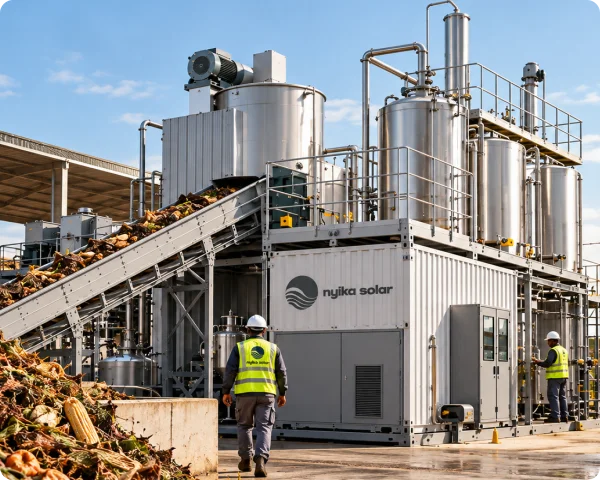
Bioenergy technology creates opportunities to recover useful products from suitable organic waste streams. With suitable feedstock, processing technology and project conditions, selected waste streams may be converted into useful products, creating opportunities for resource recovery and more productive waste management.
Nyika Solar explores specialist bioenergy technologies that support the conversion of suitable organic materials into valuable outputs. Our approach considers feedstock characteristics, processing requirements, operational conditions and the intended end product to identify technologies with practical commercial potential.
Together, these systems make available energy work harder.
Organic Waste Conversion & Bioethanol Production
Reliable backup power · Solar energy storage · Intelligent charge management · Flexible capacity
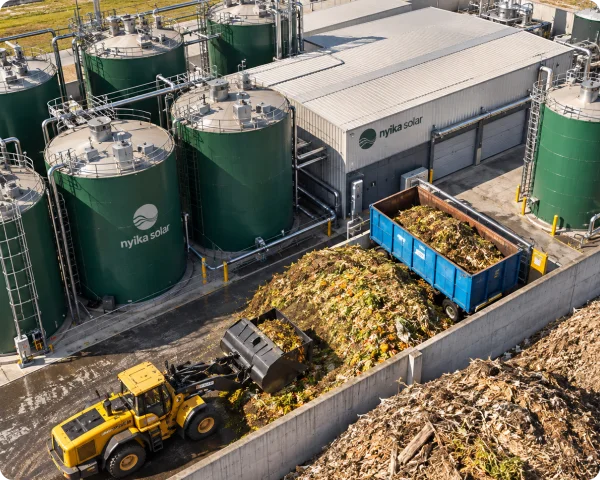
Organic waste conversion technologies provide opportunities to process selected agricultural, food-related and other biodegradable materials into useful Bioenergy outputs. Depending on the composition and preparation of the feedstock, specialist conversion processes may support the production of bioethanol and other recoverable products.
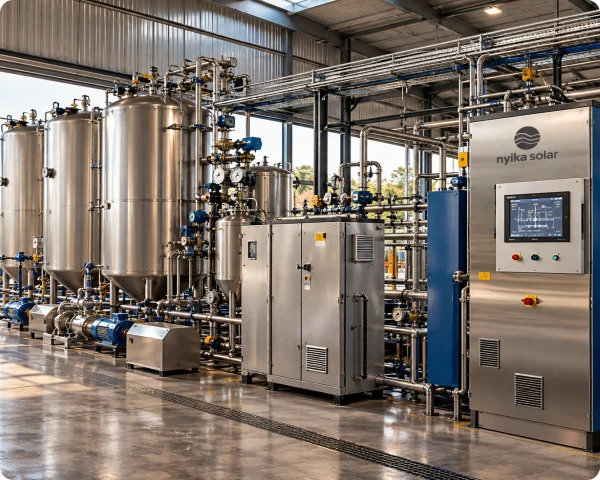
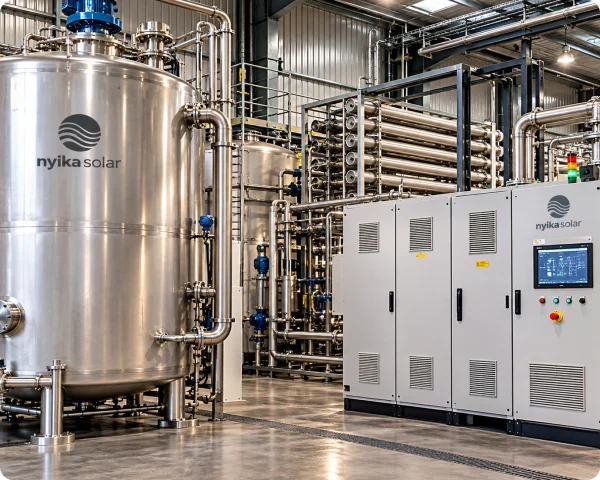
Modular processing configurations can offer a practical approach where feedstock availability, production requirements and site conditions justify a dedicated Bioenergy facility. However, the appropriate technology and plant configuration must be established through technical assessment.
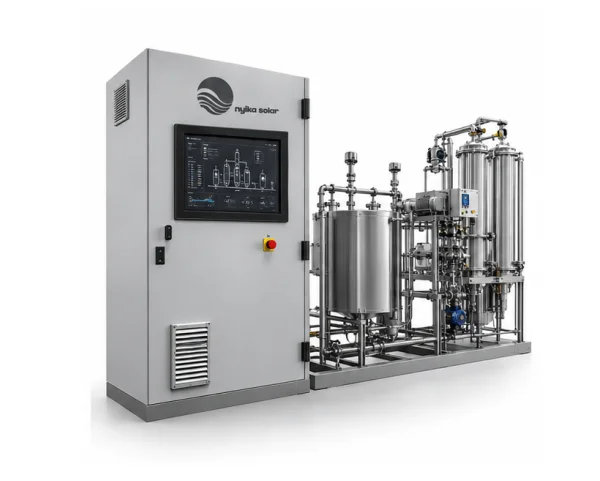
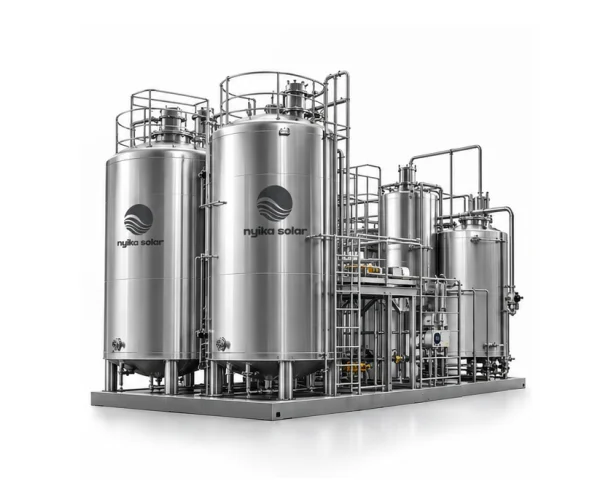
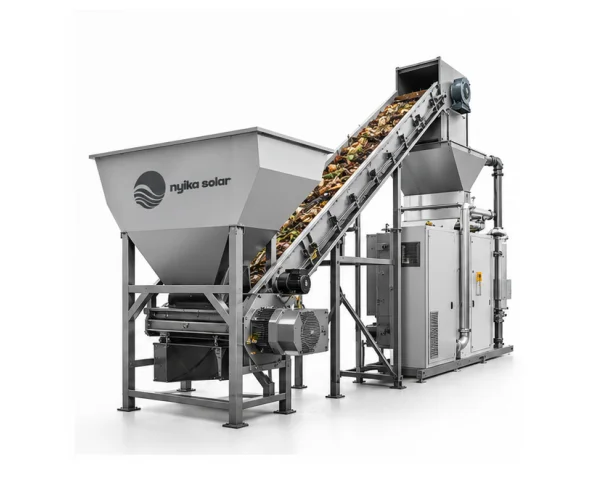
Our technology comprises of:
Resource recovery
Create opportunities to extract value from suitable organic waste streams.
Waste utilisation
Explore productive alternatives for materials that may otherwise require disposal.
Modular processing potential
Consider appropriately sized processing facilities aligned with available feedstock and intended production.
Commercial diversification
Identify opportunities for additional value streams where technical and economic conditions support conversion.
Integrated resource planning
Assess bioenergy opportunities alongside existing energy, agricultural and operational infrastructure.
Supporting capabilities
Feedstock reception, sorting and preparation
Organic material processing and conditioning
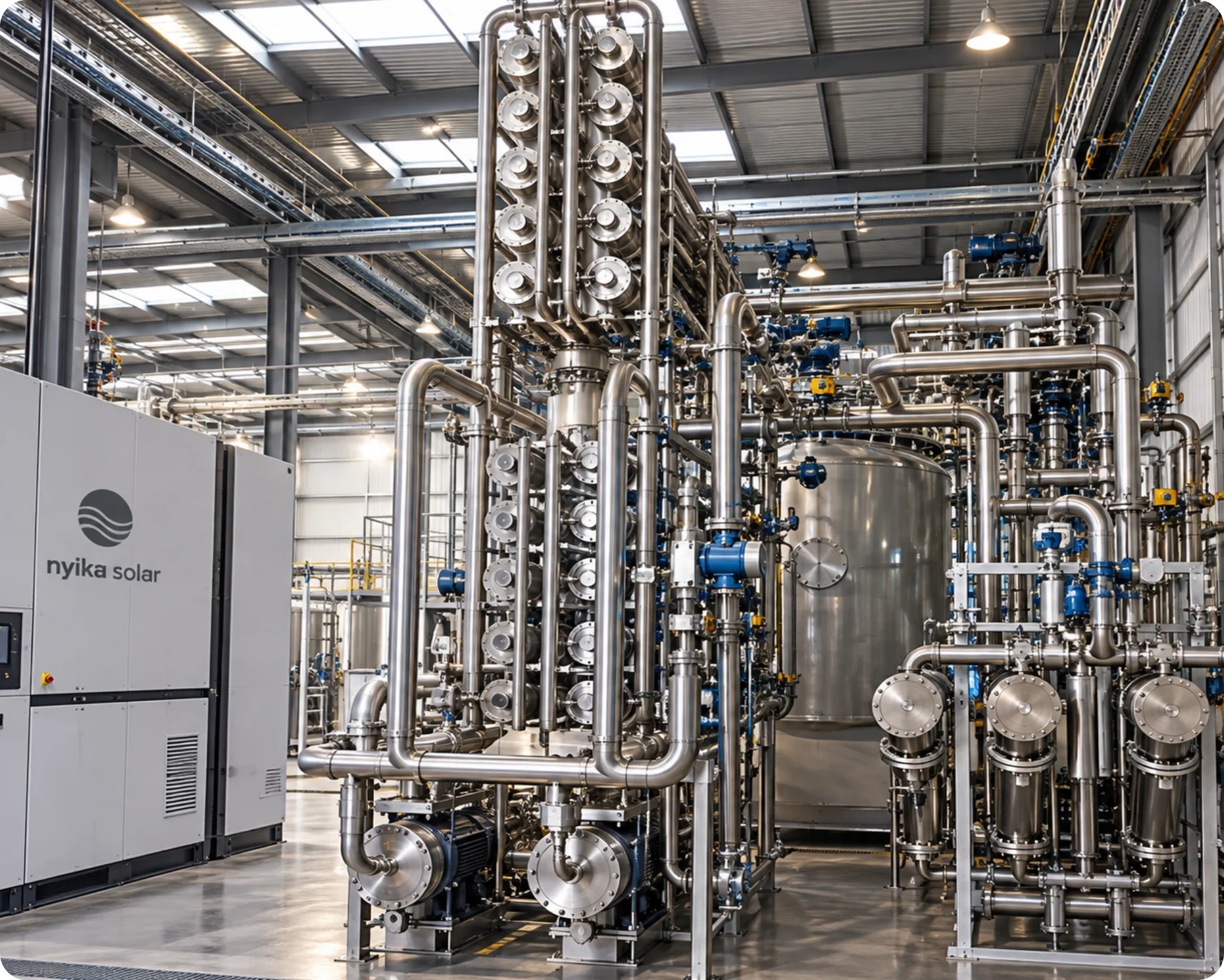
Specialist conversion and fermentation systems
Product separation and recovery equipment
Process monitoring and operational controls
Our systems are suitable for:
Agricultural operations and cooperatives
Food processing and manufacturing facilities
Organic waste aggregation facilities
Resource recovery and circular economy projects
Commercial facilities with suitable organic waste streams
Our systems can be integrated into:
Feedstock preparation and handling equipment
Organic material conditioning systems
Modular conversion and fermentation units
Bioethanol recovery and separation equipment
Process control and monitoring systems
Available configurations
Integrated inverter-and-battery ESS units.
Wall-mounted or floor-standing battery enclosures.
Compatible modular and stackable battery arrangements.
Supported single-phase and three-phase power configurations.
Selected backup and time-based operating modes.
Let’s Explore the Value in Your Waste Streams
Every resource recovery opportunity begins with understanding the material available and the value it could deliver.
Nyika Solar connects project requirements with specialist bioenergy conversion systems, considering feedstock suitability, processing capabilities and intended outputs to identify practical opportunities for resource recovery.
Contains information related to marketing campaigns of the user. These are shared with Google AdWords / Google Ads when the Google Ads and Google Analytics accounts are linked together.
90 days
__utma
ID used to identify users and sessions
2 years after last activity
__utmt
Used to monitor number of Google Analytics server requests
10 minutes
__utmb
Used to distinguish new sessions and visits. This cookie is set when the GA.js javascript library is loaded and there is no existing __utmb cookie. The cookie is updated every time data is sent to the Google Analytics server.
30 minutes after last activity
__utmc
Used only with old Urchin versions of Google Analytics and not with GA.js. Was used to distinguish between new sessions and visits at the end of a session.
End of session (browser)
__utmz
Contains information about the traffic source or campaign that directed user to the website. The cookie is set when the GA.js javascript is loaded and updated when data is sent to the Google Anaytics server
6 months after last activity
__utmv
Contains custom information set by the web developer via the _setCustomVar method in Google Analytics. This cookie is updated every time new data is sent to the Google Analytics server.
2 years after last activity
__utmx
Used to determine whether a user is included in an A / B or Multivariate test.
18 months
_ga
ID used to identify users
2 years
_gali
Used by Google Analytics to determine which links on a page are being clicked
30 seconds
_ga_
ID used to identify users
2 years
_gid
ID used to identify users for 24 hours after last activity
24 hours
_gat
Used to monitor number of Google Analytics server requests when using Google Tag Manager