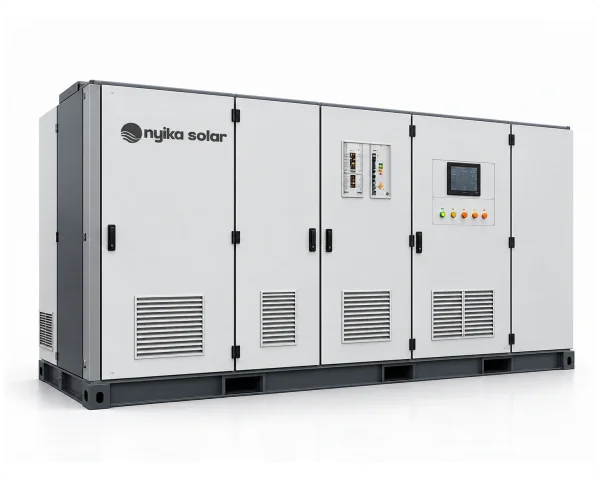
Solar Energy Storage Systems
Keep energy ready.
Energy storage systems retain electricity for later use, helping properties balance solar generation, grid supply and operating demand. From compact lithium storage to engineered commercial battery systems, storage adds flexibility to how electricity is used.
Compatible battery management, power conversion and monitoring technologies support controlled charging and discharging. Each installation is sized around the required load, usable energy capacity and operating conditions, not battery capacity alone.
Together, these systems make available energy work harder.
Residential & Commercial Battery Storage
Reliable backup power · Solar energy storage · Intelligent charge management · Flexible capacity
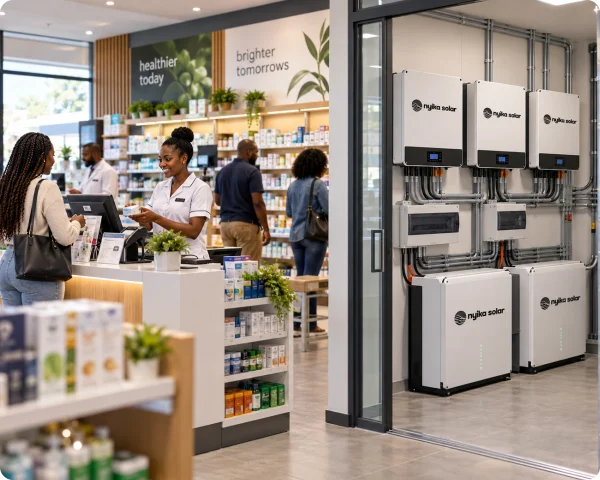
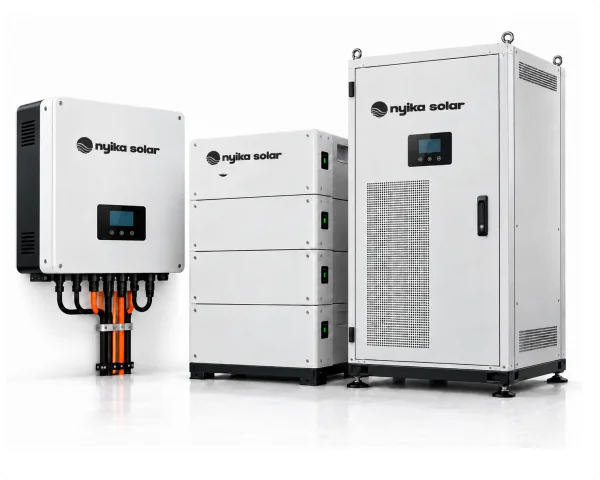
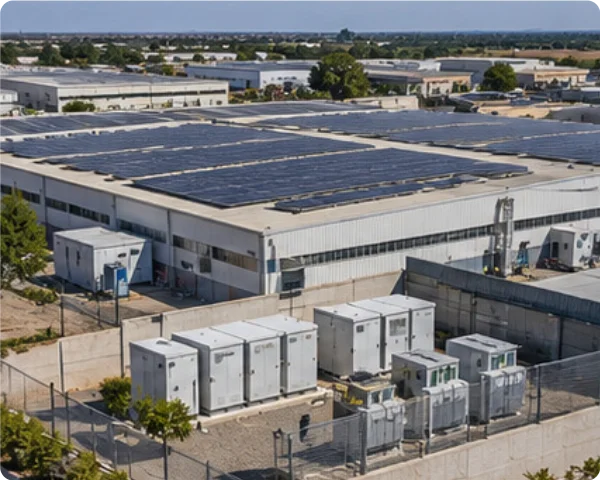
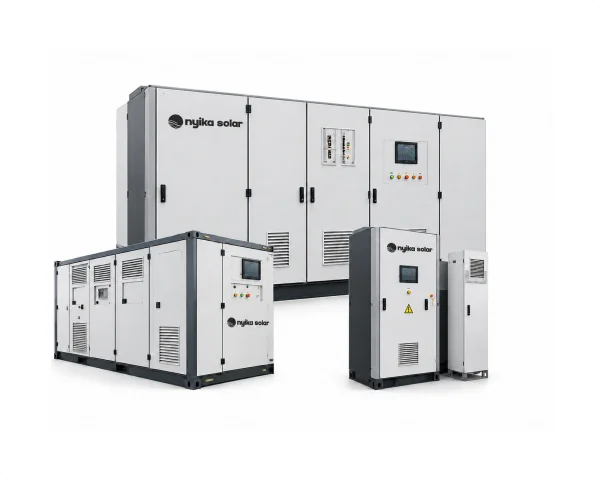
Residential and commercial battery storage systems retain electricity from compatible solar or grid-connected equipment for use when required. Integrated energy storage units combine batteries and power conversion, while modular batteries can be configured alongside suitable hybrid inverters.
Battery management and protection functions help regulate charging, discharging and operating conditions. Storage capacity and available backup power depend on the selected battery system, inverter compatibility and the electrical loads it must support.
Our technology comprises of:
- Lithium Battery Modules
- Store electrical energy in compatible battery cells and modules. Lithium iron phosphate (LFP) is one available chemistry, subject to the chosen system.
- Battery Management System (BMS)
- Monitors cell and pack conditions, balancing and protection functions, within the selected battery design.
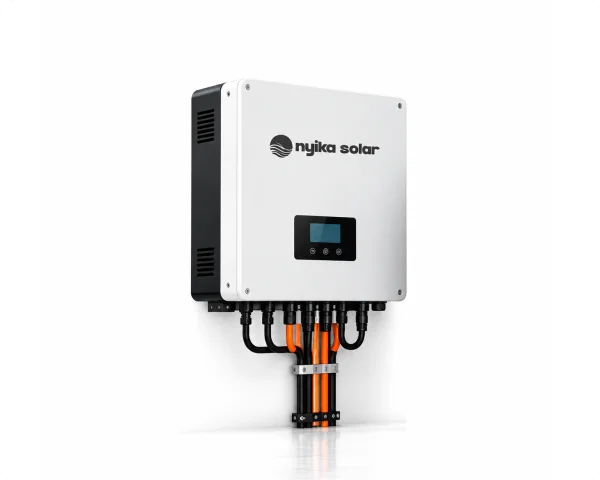
- Compatible Hybrid Inverter or Power Converter
- Directs electricity between the battery, connected loads, solar generation and permitted supply sources. Some integrated ESS units include this equipment.
- Battery Enclosure & Interconnections
- Protective housings, racks, mounting structures and correctly rated connectors accommodate the selected modules.
- Electrical Protection & Isolation
- Appropriate DC protection, switching and cabling support safe connection and maintenance.
- Monitoring & Energy Controls
- Supported interfaces provide battery-status information and configurable charging or discharge priorities.
Key advantages
- Makes stored electricity available for later use.
- Supports appropriately designed backup for designated loads.
- Improves solar self-consumption where compatible.
- Allows modular capacity selection on supported systems. Provides battery monitoring and protection functions.
- Provides battery monitoring and protection functions.
Our systems are suitable for:

Residential estates
Commercial and retail premises
Clinics & Essential Services

Small commercial facilities
Our systems can be integrated into:
Compatible Hybrid Inverters
Solar Photovoltaic Generation
Essential-Load Distribution Circuits

Battery Monitoring & Energy Controls
Available configurations
- Integrated inverter-and-battery ESS units.
- Wall-mounted or floor-standing battery enclosures.
- Compatible modular and stackable battery arrangements.
- Supported single-phase and three-phase power configurations.
- Selected backup and time-based operating modes.


Commercial & Containerised BESS
High-capacity energy storage · Peak demand management · Grid support · Scalable system integration
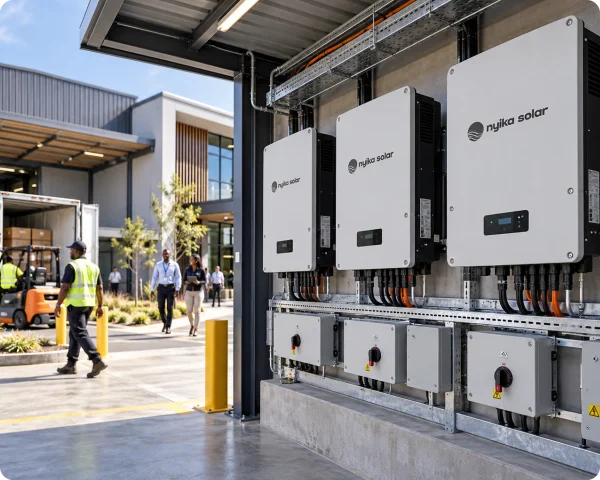
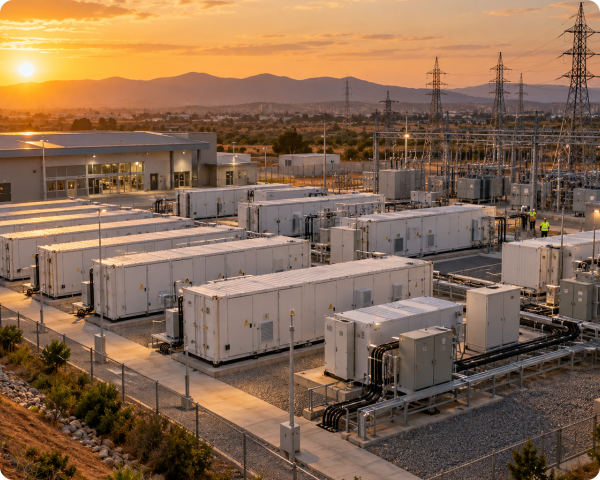
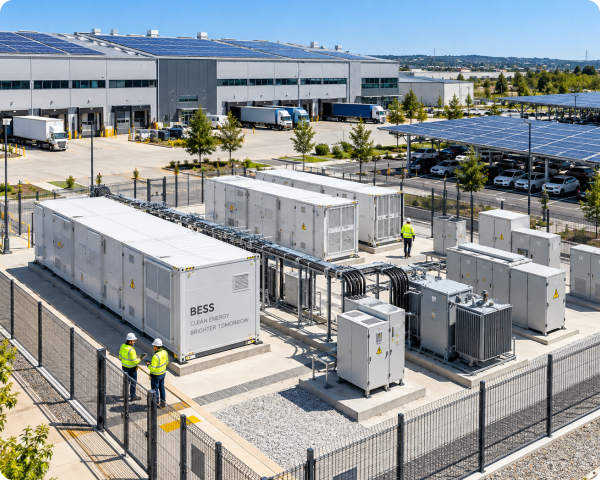
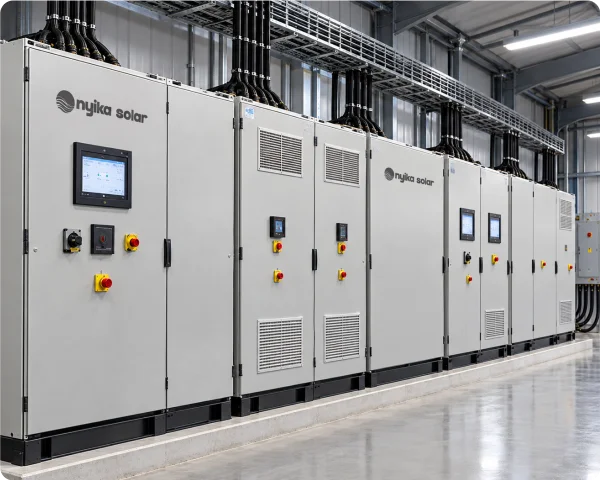
Commercial battery energy storage systems (BESS) retain electricity for managed use across industrial, commercial and infrastructure sites. Cabinet-based and containerised installations combine compatible battery capacity with the power conversion, protection and controls required by the electrical network.
Depending on the engineered configuration, BESS can support backup operation, solar energy shifting and peak-demand management. System performance depends on storage duration, inverter power, site demand and approved operating arrangements.
Our technology comprises of:
- Industrial Battery Racks & Modules
- Battery assemblies provide the specified usable energy capacity within modular cabinets or engineered containers.
- Battery Management System (BMS)
- Monitors module and rack conditions, including supported temperature, voltage, current and protection functions.
- Power Conversion System (PCS)
- Bidirectional conversion equipment manages electricity flow between battery DC circuits and site AC distribution where required.
- Energy Management & Supervisory Controls
- Compatible controllers coordinate charging schedules, discharge priorities and interfaces with other generation sources.
- Switchgear & Electrical Protection
- Distribution boards, isolation, circuit protection and appropriately rated cables connect the system to the site’s infrastructure.
- Thermal Management & Fire Protection
- Engineered ventilation or cooling, detection and protective measures are specified according to battery technology, installation layout and local requirements.
- Cabinets & Container Infrastructure
- Suitable equipment enclosures provide environmental protection, service access and arrangements for installation and maintenance.
Key advantages
- Stores larger quantities of electricity for managed use.
- Supports load shifting and peak-demand strategies where configured.
- Can supply designated loads during outages when correctly engineered.
- Integrates compatible solar and supplementary generation.
- Enables staged storage capacity expansion on selected platforms.
- Provides coordinated monitoring and system protection.
Our systems are suitable for:

Manufacturing & Industrial facilities

Agricultural operations
Commercial campuses

Critical infrastructure & microgrids
Our systems can be integrated into:

Electrical Distribution & Utility Connections
Photovoltaic Arrays & Battery Storage
Backup Power & Essential-Load Circuits

Compatible Auxiliary Heating Systems
Available configurations
- Single-phase and three-phase hybrid inverter systems.
- Different inverter ratings and compatible battery voltages.
- Supported lithium-ion and lead-acid battery configurations.
- Backup circuits and configurable energy priorities.
- Grid import, export and monitoring functions where supported and permitted.


Let us discuss your power generation requirements
Whether you’re planning a new solar installation, upgrading an existing facility or exploring a specialist power application, the right solution begins with understanding your operational needs. Nyika Solar combines solar power generation technology with practical system integration to identify suitable grid-connected, hybrid and off-grid configurations that support reliable performance and long-term energy value.